




Lisa Phillips
Teen Relationship Skills in the Social Media Era
Virtual Event
Program Takeaways:
Teen relationships are deeply shaped by social media and constant connectivity.
Today’s teens experience crushes, relationships, and breakups on “tiny screens,” creating a world with few emotional boundaries and no real escape from romantic stress or pressure.
Crushes and early relationships should never be dismissed as “just a phase.”
Crushes are meaningful developmental milestones that shape identity, emotional growth, and future relationship patterns. Validating those feelings helps teens feel seen and supported.
Situationships create confusion, ambiguity, and emotional vulnerability for teens.
Young people often struggle with undefined relationships and the pressure to appear “unbothered” or emotionally detached. Phillips encouraged adults to help teens think ethically, communicate honestly, and pay attention to how relationships make them feel emotionally and physically.
Healthy relationships require balance, boundaries, and emotional awareness.
Digital communication can intensify emotional enmeshment and pressure teens to be constantly available. Parents can help by modeling healthy boundaries, encouraging presence, and asking reflective questions about whether a relationship helps teens become “more of themselves or less.”
Parents and trusted adults play a crucial role—even when teens resist the conversation.
Research cited during the presentation showed that many young adults wish they had received more guidance about relationships and emotional intimacy. Adults who remain gently persistent, use media and everyday situations as conversation starters, and keep the door open for future discussions make the most difference.
To receive detailed program summaries and be notified of upcoming events sign up for the GPS weekly newsletter.
The era of social media has significantly reshaped teenage relationships, offering greater connectivity and collaboration. However, it has also brought unique challenges that can lead to misinterpretation and social isolation — hindering a teen’s ability to be present during increasingly infrequent face-to-face interactions.
Phillips comes to GPS with research-based insights that parents and caregivers can use to support their teen’s healthy relationships. During these sessions, Phillips will explore how the relationships of teenagers differ from those of their parents’ generation, with a specific focus on technology, social media, and mental health.
Learn practical skills and strategies to help your children develop healthy communication and critical thinking skills today. Discover insights from young people and experts on navigating the new reality of teen relationships and helping them grow into caring, self-aware adults.
Participants will learn communication strategies to build trusting relationships and strategies to increase teen-engagement in offline activities. By taking a proactive approach and emphasizing the importance of both online and offline social skills, parents can help their teenagers thrive in the digital age.
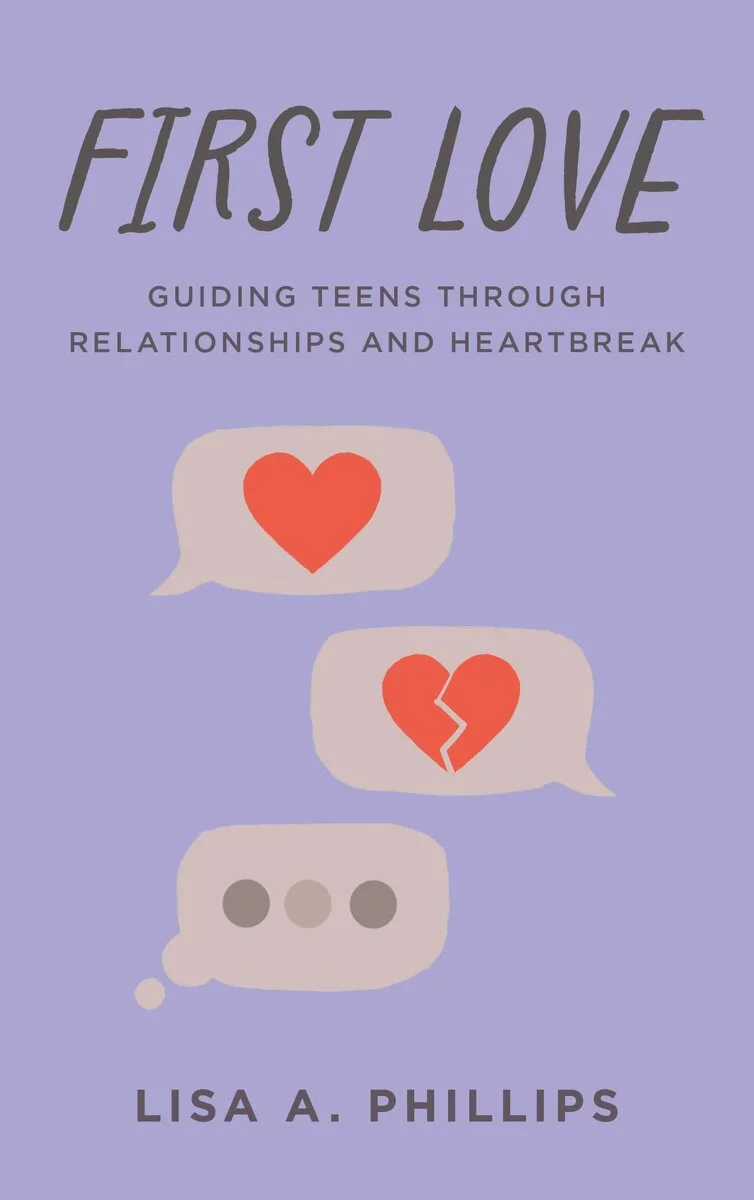
Phillips is the author of “First Love: Guiding Teens Through Relationships and Heartbreak.” She has written about relationships, mental health, and teens for the New York Times, The Washington Post, and Psychology Today. She teaches journalism and the popular “Love and Heartbreak” seminar at the State University of New York.
Please share information about this event with friends and relatives. All are welcome to our free weekly GPS events, and no registration is required
Speaker Resources
Related Events

Thu Aug, 20 2026 @ Programs are streamed at noon and 7pm CST
GPS 2026-27 Events List
New Topics. Real Support. Stronger Families.

Thu Dec, 18 2025 @ 6pm CST
Dr. Ferney Ramírez
IN PERSON B-PAC in Spanish: Elementos esenciales de la crianza para tener niños felices y saludables / Parenting Essentials for Happy, Healthy Kids

Wed Apr, 8 2026 @ Noon and 7pm CST
Bryana Kappadakunnel
Parent Yourself First: Become The Parent You Want to Be

Tue Mar, 17 2026 @ Noon and 7pm CST
Nedra Glover Tawwab with Daniel Pink
The Balancing Act: Creating Healthy Connections Without Losing Yourself
